
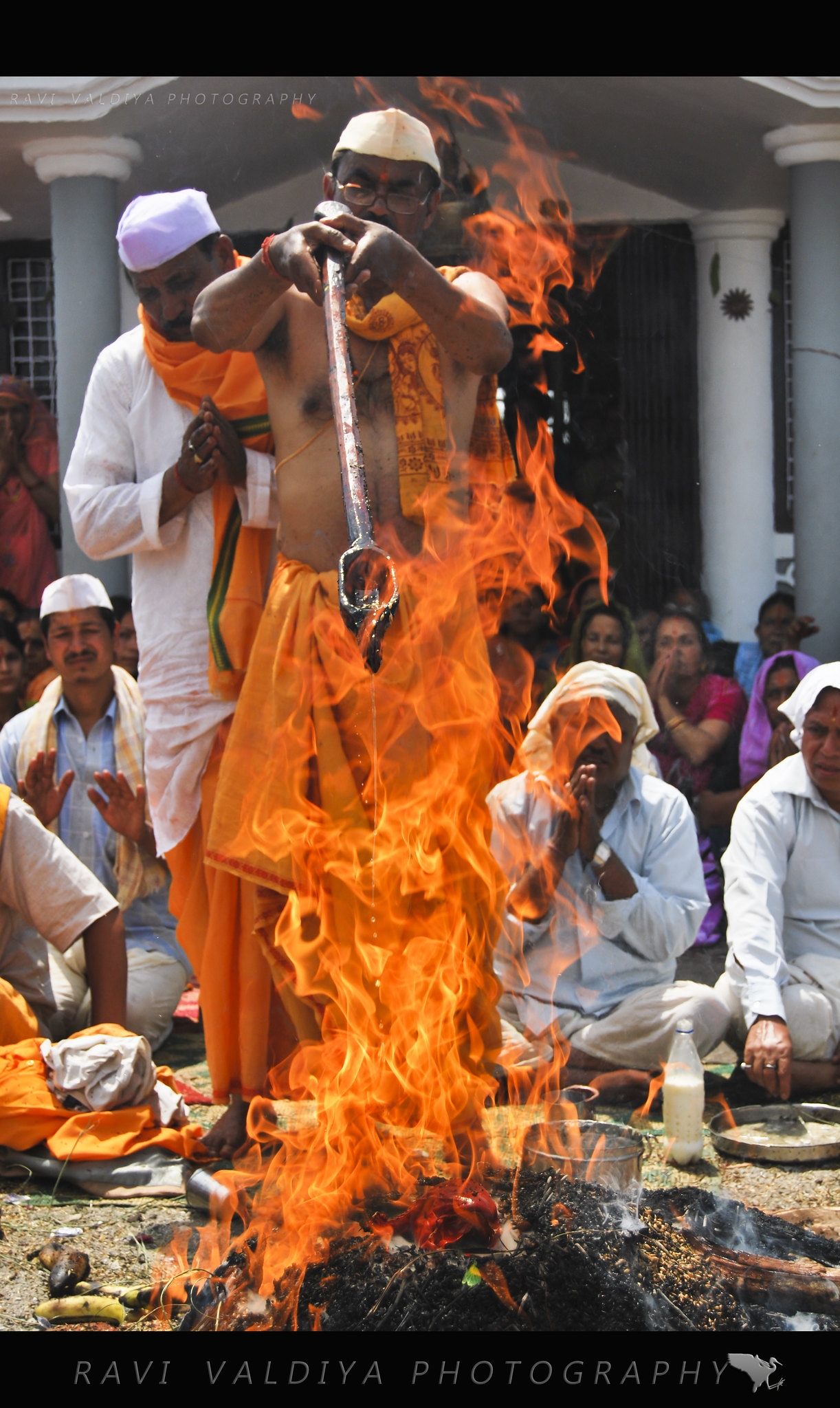

As a purpose driven visual storyteller, Ravi Valdiya has often seen how unchecked rise of tourism in states like Uttarakhand can strain ecosystems, and even create angst among local communities. He’s deeply interested in solutions that honor both people and places.
In this part of our interview, we explore how India might craft tourism models that are locally rooted, culturally sensitive, and environmentally resilient. Drawing from his ground-up perspective and referencing Tagore’s philosophy of harmonious rural-urban cooperation, Ravi invites us to rethink tourism not as an extractive industry—but as a space for repair, dignity, and mutual growth.
Interviewer:
Ravi, let’s begin with a core tension at the heart of tourism—how do we balance economic benefits with ecological preservation and cultural integrity? Especially in a country like India, rich in heritage but vulnerable in ecology?
Ravi Valdiya:
That’s the big question, isn’t it? In the Himalayas, we’ve seen how rapid tourism expansion brings in revenue, but at the same time puts immense pressure on the local ecology and culture. If we don’t tread carefully, we end up exploiting what we came to celebrate.
Interviewer:
Right. And it brings us to the larger philosophical frame—could we draw inspiration from Gurudev Tagore? Especially his ideas of a city and village collaborative model, rooted in inquiry and shared values?
Ravi:
Absolutely. Tagore’s idea of mutual benefit between city and village, held together by cooperation and self-sacrifice—it’s deeply relevant. When that spirit is lost, city and village become exploiter and victim. We’re seeing that in tourism too. The urban tourist often consumes the rural experience, but without always understanding or contributing meaningfully to it.
Interviewer:
So how might India reimagine its tourism model—perhaps with a more grounded, contemporary Indian lens?
Ravi:
I think we need to go back to local strengths—let communities lead the narrative. Let them curate experiences. Let them define what’s worth seeing, doing, and celebrating. I’ve seen this spirit in parts of Uttarakhand, where villagers host tourists, offer home-cooked meals, share folk stories… It’s not just tourism, it’s an exchange of life.
Interviewer:
Any places that have managed to strike that balance well?
Ravi:
Sarmoli village in Munsiyari (Pithoragarh district, Uttarakhand) is a shining example. The community there has a clear focus on eco-tourism, responsible tourism, and inclusive development, with active participation from local residents. The Himalayan Ark Homestay programme in Sarmoli, championed by mountaineer and social activist Malika Virdi, is run by local women. Models like this hold immense potential for a sustainable future in tourism.
Interviewer:
And yet, many places fall short. What mistakes are common?
Ravi:
One issue is over-glorification. Social media has fostered a kind of visual tourism—people visit destinations primarily for the photo opportunity, rather than to truly experience the place. Misinformation is also rampant. Take Mukteshwar village, for example: there have been instances where even locals working in the hospitality sector have mistaken Western Himalayan peaks like Api Nampa for the famous Dhaulagiri, the seventh highest mountain in the world. Some are genuinely misled, while others simply lack awareness of these important details. It is essential that travelers receive accurate information to prevent erosion of trust.
Interviewer:
What role can photographers and content creators play here?
Ravi:
A huge one. They are the new-age storytellers. But with that comes responsibility. Social Media groups like “Himalayas are Calling“—a Facebook Group—have shown how community-based validation can work. A million-plus members help cross-verify facts, identify peaks, even correct captions. But when people push misinformation for profit or ego, it breaks the trust cycle.
Interviewer:
If a destination is facing over-tourism, what should they do immediately?
Ravi:
First, educate the tourist—orient them before the journey. Second, limit entry through permits or time-based passes. Third, decentralize—create parallel destinations that can share the load. And of course, invest in local capacities to manage tourism better.
Credit: Photos shown in this article are clicks from Ravi Valdiya’s Albums