
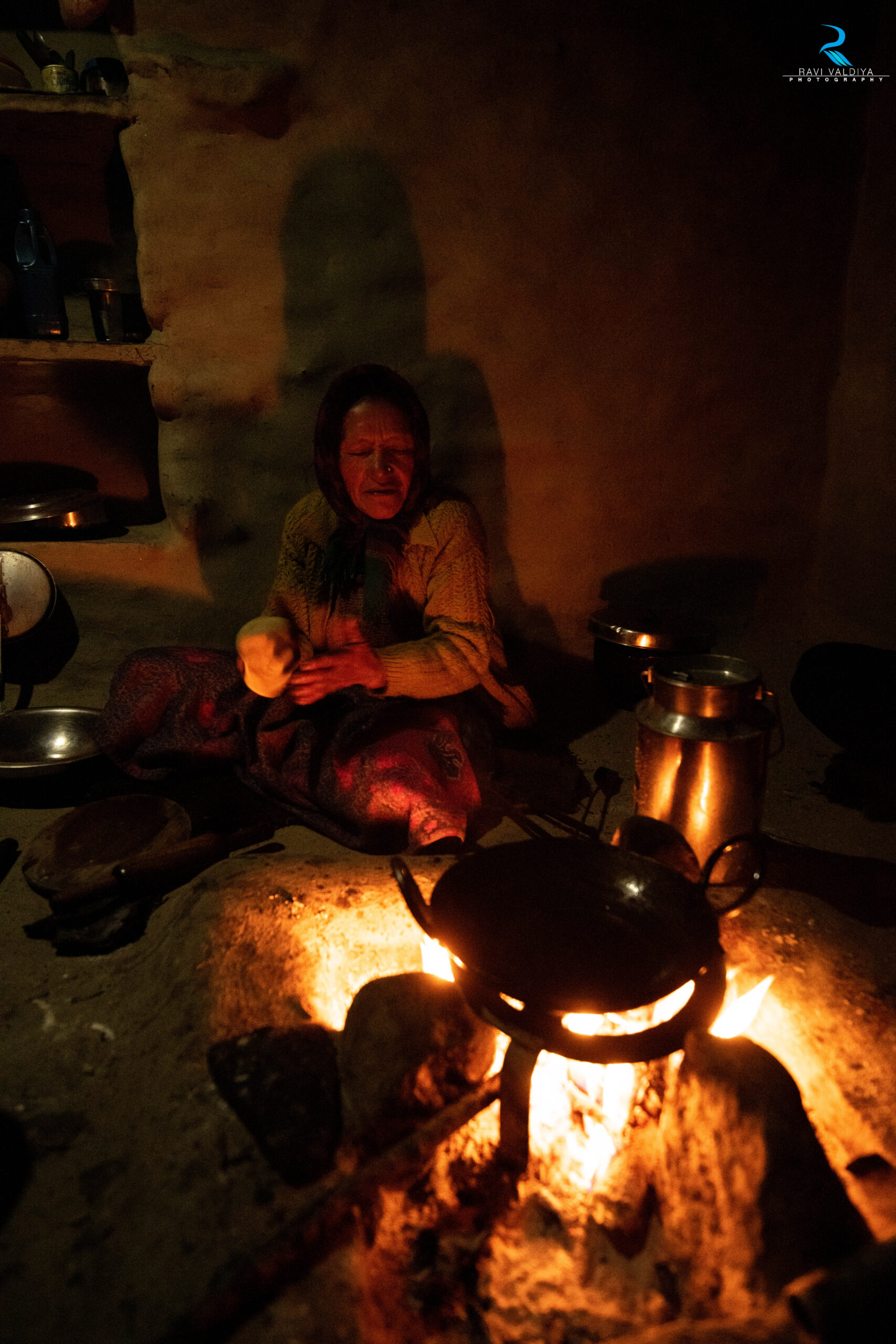

Ravi is not just a filmmaker—he’s a listener, observer, and storyteller who straddles the delicate space between creative integrity and social responsibility. His storytelling takes him from NGO project sites and rehabilitation centers to remote villages and grassroots movements, where his lens captures not just what is seen but what is felt, lived, and often overlooked.
In this third part of our ongoing interview series with Ravi, we go behind the scenes of his process—how he frames questions, designs narratives, integrates ethnographic techniques, and builds cultural sensitivity into his work.
Whether he’s scripting for an NGO campaign or documenting the emotional truths of ex-inmates, Ravi offers an honest and detailed look into the craft, the dilemmas, and the discipline behind socially grounded storytelling.
🧭 TL;DR – What You’ll Learn in This Article
In this deep dive, Ravi unpacks:
- The difference in narrative approach between commissioned NGO work and personal passion projects
- The importance of planning interviews and visuals ahead of a shoot
- How to adapt storytelling for cultural sensitivity and emotional complexity
- Practical tips for framing questions, including handling unexpressive or vulnerable interviewees
- When to let stories flow naturally, and when to guide them
- The ethical grey zones in documentary-style storytelling—how to balance truth with responsibility
- Real-life examples of when stories took unexpected turns and how he navigated them
- How creators can build sensitivity, humility, and respect into their practice over time
If you’re a storyteller, visual content creator, or anyone involved in human-centric content, this is an essential read.
🧵 Interview Report: Framing Narratives & Ethnographic Content Creation
🎬 The Two Worlds: Commissioned vs. Personal Work
Ravi:
There are two broad categories of work I do. One is commissioned content—projects for NGOs or social organizations with a clear objective. The other is personal content, where I have the freedom to follow stories that focus on human emotion and lived experience.
When working with NGOs, I’m not the final decision-maker. The story has to align with their vision and goals, so understanding that at the outset is crucial. I ask for their documentation, problem statements, and what they want to highlight—whether it’s a specific village or initiative. From there, I begin shaping the narrative.
🖼️ Planning Interviews, Visuals & Structure
Storytelling isn’t just about what people say—visual context is equally important. So I plan ahead:
- What locations are we visiting?
- What visuals will support the narrative?
- Who are the right people to interview?
It’s important to include beneficiaries—not just leaders. Sometimes the director of a program has one perspective, but the field worker or the person impacted by the project reveals a whole other layer. That authenticity matters.
🗣️ Interview Dynamics: Prompts, Flow, and Emotional Honesty
Not everyone communicates clearly. Some people might go off track or be hesitant. That’s why I always prepare backup questions, anticipate prompts, and know how to gently guide people back without making them uncomfortable.
When someone is shy or goes off-topic, I’ll redirect with something like:
“In this project, what changed for you? Did it really help you? What were things like before?”
With personal projects, however, I allow for more spontaneity. If the person talks about something unexpected but meaningful, I let it unfold. That can lead to powerful, unplanned stories that are even better than what I imagined.
🧰 Scripting Tools & Practical Workflows
For scripting, I sometimes use dedicated tools, but often I just prepare a simple Word document with a scene flow. For example:
- Start with a wide shot of the school.
- Follow with a teacher interview, backgrounded by a classroom.
- Layer in voiceovers if budget allows.
We review the script with the client before the shoot, but we also stay flexible. If we get a strong interview later, we might build the structure around that and let the interview itself become a natural voiceover.
🧭 Cultural & Emotional Sensitivity: Knowing Where to Draw the Line
You must always consider how comfortable someone is answering a question—especially around sensitive topics. There are no formal guidelines for this in our field, and that’s where many content creators go wrong.
I’ve been mentored by social workers, which helped me learn where to stop, how to read a room, and how not to intrude into someone’s space. I often have to remind my team: we’re not shooting a film, we’re documenting lives. Respect comes first.
🔄 When Narratives Take Unexpected Turns
There have been many times when I’ve gone in with one objective, but the story changed on the ground.
If it’s a personal project, I capture whatever I feel matters. If it’s for a client, I always check:
“Is this important to you? Should we include it?”
If it’s too sensitive or problematic, we either edit it out or get expert advice. For instance, we recently documented stories of ex-inmates being rehabilitated through a special program. There were deeply emotional stories, but revealing certain things could backfire—on the NGO, on their government funding, even on the beneficiaries themselves.
🎛️ Editing as Ethical Decision-Making
In editing, context is everything. I recall an interview with a beneficiary who praised the NGO, but then made a harsh statement. Sometimes, isolated remarks or observations can shift the narrative of a story, potentially leading to distortions that overshadow the positive aspects and genuine contributions of social impact projects. Such distortions can have significant consequences, potentially influencing critical decisions such as project funding or the expansion of a project’s scope. It is unfortunate when a single statement, taken out of context, results in these kinds of negative outcomes.
To present a more balanced perspective, it’s important to gather additional data and seek input from a broader cross-section of stakeholders. This is where editorial discretion becomes vital. There are rarely clear-cut right or wrong answers—these situations are seldom black and white. As storytellers, we learn and evolve with each story we tell. The most important thing is to always keep that learning mindset!
There are truths we can’t say bluntly. We’re trying to craft a narrative that reveals reality without assigning blame, so it doesn’t become an “investigation piece” that causes harm.
🕊️ Building Sensitivity into the Craft
Ravi:
How do you build this sensitivity? Honestly, it takes time. I didn’t study filmmaking or ethnography formally. I learned by observing, making mistakes, and being mentored by people who worked in the field.
The most important thing? Don’t think you know better just because you’re the storyteller. The people you’re interviewing—they know their lives better than you ever will. If you can approach them with humility, the story will emerge on its own.
Credit: Photos shown in this article are clicks from Ravi Valdiya’s Albums